What does protection against Miner/Maximal Extractable Value (MEV) look like in a multi‑chain world where your wallet routes across Ethereum, Layer‑2s, and EVM compatible chains? That question flips a lot of common thinking: security isn’t just about private keys and seed phrases anymore; it’s about how transactions are simulated, routed, and negotiated on‑chain — and how a wallet mediates those choices for you.
This piece lays out the mechanics of MEV protection inside a modern multi‑chain wallet, compares approaches you’ll see in the wild, and gives practical heuristics for DeFi users in the US deciding whether to prioritize convenience, depth of simulation, or minimized attack surface. The aim is concrete: explain how these tools work, why the trade‑offs matter, where they break, and what to watch next.
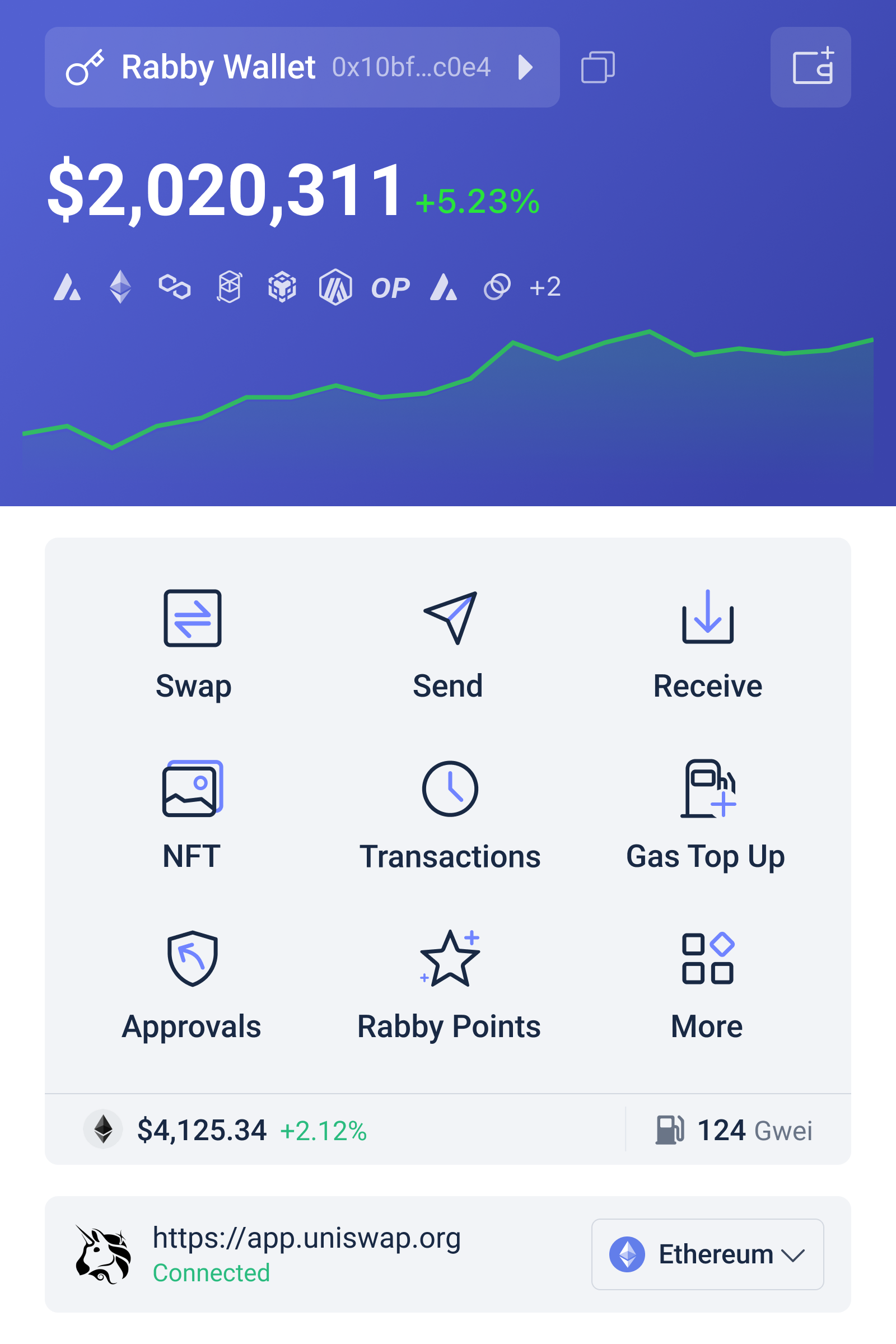
How MEV happens, at the wallet layer
MEV is an umbrella term for profit extracted by ordering, inserting, or censoring transactions in a block (front‑running, sandwiching, liquidation ordering, etc.). Historically this was visible when miners directly controlled ordering; today validators, sequencers, relays, and searchers all play a role across chains. For wallet users the critical mechanism is straightforward: your raw signed transaction, once broadcast, can be observed and re-ordered or intercepted before it lands in a block.
Wallet‑level MEV mitigation operates mostly on two levers: transaction construction/simulation and transaction routing. Simulation exposes what will happen if your tx executes (slippage, failed calls, gas spent, token changes). Routing controls whether the signed transaction is broadcast directly to the public mempool, sent through a private relay/flashbots style path, or wrapped in an execution bundle that pays a searcher or builder for specific ordering. Many wallets combine both: simulate first, then choose a route based on estimated MEV risk.
Why does this matter in a multi‑chain wallet? Different chains have different attack surfaces. Public mempools on Ethereum mainnet and many EVM chains are fertile ground for sandwich attacks; L2 sequencers may offer private submission but also introduce centralized trust; chains with block builders open the door to sophisticated block‑level extraction. A multi‑chain wallet needs chain‑aware policies rather than a one‑size policy.
Three practical approaches and their trade‑offs
Broadly you’ll see three wallet strategies for MEV protection. I’ll outline their mechanics, where they help, and what they sacrifice.
1) Simulation + user‑guided routing. The wallet simulates the transaction, highlights detectable risks (e.g., expected price impact, reentrancy flags, failed internal calls), then lets you choose a route: public mempool, private relay, or bundle via a provider. This is the most transparent option: you see the risk and choose. Trade‑off: it relies on accurate simulation models and real‑time gas/MEV price signals. If simulation misses a subtle path dependency or the relay is slow, protection is weaker.
2) Default private submission (automated relay/bundling). The wallet automatically sends sensitive transactions through a private RPC or relay that attempts to hide them from the public mempool or negotiate a bundle with a block builder. This reduces manual choice and is friendlier for average users. Trade‑off: increased reliance on third‑party relays or builders raises trust and censorship concerns — you’ve replaced public transparency with a private dependency. In the US regulatory environment, custody and third‑party routing introduce operational and legal vectors to consider.
3) Conservative transaction shaping. The wallet modifies transactions client‑side to reduce extractable signals: splitting swaps, adding randomized delays, or using strict slippage and deadline controls. This helps for straightforward sandwich risks but cannot prevent sophisticated reorderings or extraction if a searcher can still predict profit opportunities. Trade‑off: poorer UX (you may need multiple transactions) and greater on‑chain fees; it’s a blunt instrument against nuanced MEV strategies.
Where multi‑chain complexity changes the calculus
Different chains change which approach is best. On Ethereum mainnet, builder markets and Flashbots‑style private bundles are mature enough that private routing often materially reduces observable mempool exposure. On many L2s (Optimistic rollups, zk‑rollups), sequencers control final ordering and may offer private submission internally — meaning the wallet’s best tool is route selection to an L2‑specific RPC. For smaller EVM chains with limited builder competition, there may be little practical gain from bundling; conservative shaping and simulation become the main defenses.
There’s another multi‑chain wrinkle: cross‑chain transactions. When you bridge, you often expose a transaction to multiple environments with differing MEV dynamics (e.g., on‑chain approval on one network, relayer submission on another). Wallets that simulate the full cross‑chain flow — not just the initial call — make a measurable difference in user risk awareness. Without that end‑to‑end simulation, users can have a false sense of safety.
Simulation: the unsung hero — and its limits
Transaction simulation is the single most effective, wallet‑level defense for ordinary DeFi users. A high‑quality simulation reveals gas used, state changes, token impacts, price slippage, and common failure modes before you sign. That knowledge lets the user refuse obviously dangerous trades. Rabby’s emphasis this week on “simple, fast, secure” and multi‑EVM support signals why robust simulation is core to any modern wallet designed for DeFi users.
But simulation has limits. It models a snapshot of state; between simulation and inclusion the mempool evolves. Simulations rarely predict adversarial rearrangement by sophisticated searchers. Some attacks exploit off‑chain incentives (e.g., searchers submitting bundles that out‑bid your gas or sandwich scripts that detect pending swaps) that a single‑node simulation cannot foresee. In short: simulation reduces accidental losses, not all MEV exploitation.
Decision framework for US DeFi users
Here’s a pragmatic rubric to decide what to prioritize when choosing a multi‑chain wallet with MEV features:
1) Are you executing high‑value, time‑sensitive trades (large swaps, liquidations, arbitrage)? If yes, favor wallets that support private bundles or direct relays and that integrate with reputable block builders; accept higher counterparty trust for stronger protection. If not, rigorous simulation plus conservative transaction shaping is often sufficient.
2) Are you regularly bridging or doing cross‑chain operations? Choose a wallet that simulates end‑to‑end flows and exposes cross‑chain risks (approval allowances, delay windows, relayer trust). The complexity multiplies risk if the wallet lacks cross‑chain visibility.
3) How much third‑party trust are you willing to accept? Private relays reduce mempool exposure but concentrate trust. For US users, consider both technical trust (can the relay be audited?) and operational/regulatory realities (who runs it, where are they incorporated?).
Two non‑obvious insights
First, “zero MEV” is a mirage for most users. Every submission path has trade‑offs: public mempools are transparent but exploitable; relays are opaque but reduce certain attack classes; conservative shaping wastes efficiency for safety. The right goal is risk reduction aligned with your activity pattern, not absolute elimination.
Second, wallet UX shapes security decisions. When wallets surface simulation results in plain language and attach suggested routing based on an explicit risk profile, users make better tradeoffs. Conversely, burying simulation or auto‑choosing opaque relays forces implicit, unexamined trust into the stack.
Where this field is fragile or uncertain
Three boundary conditions to watch: first, the evolving economics of block building and MEV auctions — if builder competition compresses, extractable rents may shift forms, changing which mitigation works. Second, regulatory pressure in the US could affect relays and builder markets in ways that change availability or introduce compliance constraints. Third, adversarial arms races (searchers developing private channels with sequencers) could outpace wallet mitigations, meaning wallets must continually update both simulation fidelity and routing choices.
These are uncertainties, not guesses: they’re conditional on market incentives and operational developments. A wallet that updates fast, publicly documents its routing choices, and lets power users opt into or out of relay paths will remain better positioned.
Practical takeaways and a heuristic you can reuse
Heuristic: match your mitigation to the expected adversary and value at risk. Low value + casual activity → simulation + conservative defaults. High value or time‑sensitive → private routing/bundling and verified relays. Cross‑chain exposure → end‑to‑end simulation and smallest possible trusted surface.
If you’re shopping for a modern multi‑chain wallet today, look for three concrete features: comprehensive per‑chain simulation, explicit routing choices (with explanations of trust and trade‑offs), and clear defaults that protect non‑expert users while allowing power users to override. The recent positioning of rabby as a go‑to wallet across EVM chains reflects this exact mix — usability, fast simulation, and explicit chain support matter.
What to watch next
Monitor three signals: (1) whether builder markets expand or consolidate; (2) the proliferation of verified private relays and their auditability; and (3) how wallets surface MEV risk to users — are they making it actionable or hiding it? Changes in any of these will shift the optimal balance between trust and transparency.
FAQ
Does sending through a private relay make my transaction completely safe from MEV?
No. Private relays reduce visibility to public searchers and can stop simple sandwich or sniping attacks, but they introduce new dependencies and do not eliminate MEV entirely. Block builders or relays might still reorder transactions within their jurisdiction or charge for preferred inclusion. The real gain is risk reduction for specific attack classes, not absolute immunity.
How reliable are wallet simulations — can I trust them?
Simulations are reliable for detecting immediate execution failures, estimating gas and slippage, and exposing simple reentrancy or token allowance issues. They are less reliable at predicting adversarial behaviors that depend on external actors seeing your transaction. Treat simulation as an essential pre‑sign checklist, not a guarantee of safe execution.
Should I always choose the route the wallet recommends?
Not blindly. Wallets that recommend routes typically encode a risk model — understand the trade‑offs: a recommended private route may be safer in the short term but requires trusting the relay. If the wallet explains why it prefers one route, use that explanation to match the decision to your risk tolerance and transaction value.
Leave a Reply